

YBT YardBuild Tools Landscaping · Aggregate · Framing tools
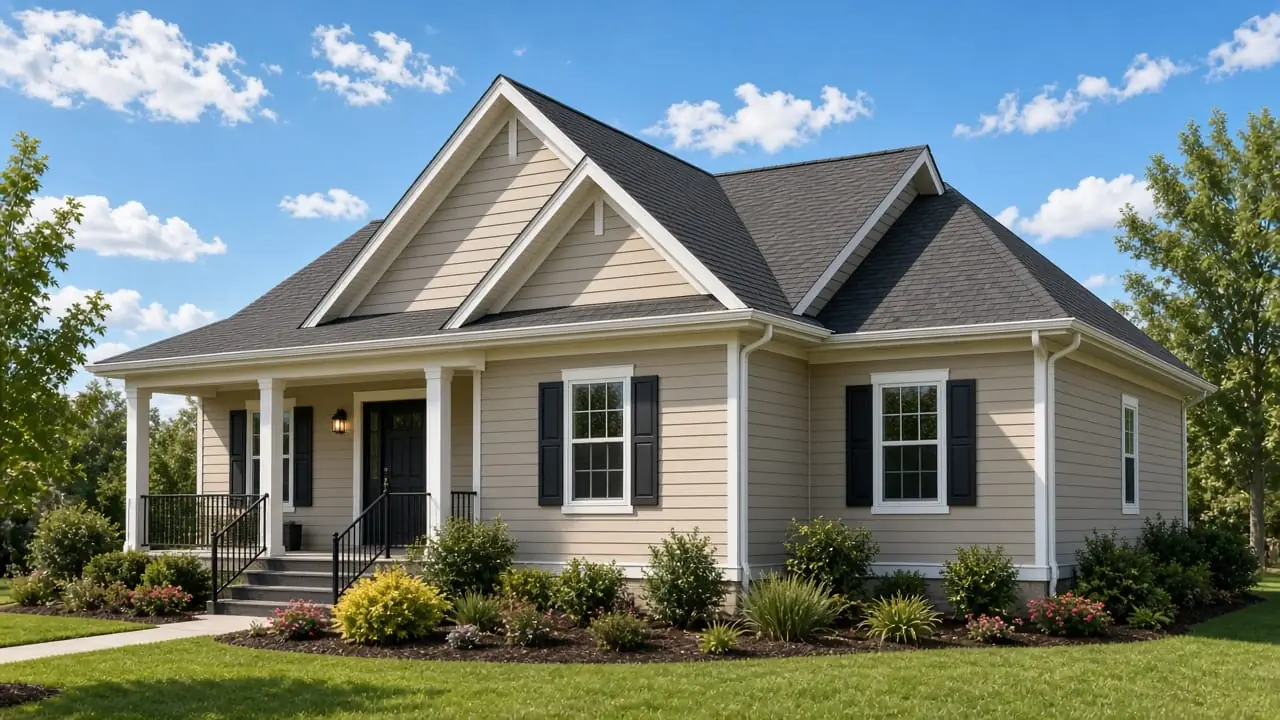
Suburban house exterior showing a pitched gable roof

Build · Roofing

Roof pitch & slope calculator

Convert rise and run into pitch X/12, degrees, percent slope, and a rafter-length teaser.

What this calculates

Pitch as X/12, degrees, percent slope, and a rafter-length teaser from the same triangle — all shown together. Input modes solve rise+run, pitch+run, or pitch+rise. Annotated diagram + pitch compare table; deep-links to the rafter tool.

Show

Pitch as X/12, degrees, percent slope, and a rafter-length teaser from the same triangle — all shown together. Input modes solve rise+run, pitch+run, or pitch+rise. Annotated diagram + pitch compare table; deep-links to the rafter tool.

Does not replace

  • Structural design or snow/wind load calculations
  • A substitute for manufacturer installation instructions
  • Permission to install shingles below product/code limits

Supply yard

Materials you’ll need

Full materials catalog →

Recommended starting values

Starting points for planning — not a site-specific design. Footnotes point to sources on this page.

Topic Typical starting value Source notes
Typical U.S. residential pitch band Often about 4:12 to 9:12 GAF contractor guidance on common residential slopes.
Absolute minimum for asphalt shingles 2:12 (never below) GAF; ARMA low-slope bulletin; CertainTeed Landmark applicator manual.
Low-slope asphalt application 2:12 to <4:12 with special underlayment GAF & ARMA — double-layer underlayment or approved self-adhered membrane.
Standard-slope underlayment band 4:12 and steeper (product-specific) CertainTeed slope definitions; always read the product sheet.

Case studies

Short DIY narratives. Numbers match the one-click scenario presets in the calculator (US units).

Classic gable 6/12

Problem
Homeowner measuring an existing garage roof with a 12 in level.
Inputs
Rise 6, run 12
Outputs
Pitch 6/12 · ~26.57° · 50% slope · hypotenuse ~13.42 (same units).
What to order / next step
Use pitch when reading shingle specs; open the rafter calculator for length with overhang.

Low-slope planning 3/12

Problem
Considering asphalt shingles on a porch roof near 3:12.
Inputs
Rise 3, run 12
Outputs
Pitch 3/12 — inside the low-slope band requiring special underlayment per GAF/ARMA.
What to order / next step
Budget double underlayment or self-adhered coverage; confirm the exact shingle’s instructions.

Steeper colonial 9/12

Problem
Comparing appearance and walkability on a steeper façade.
Inputs
Rise 9, run 12
Outputs
Pitch 9/12 · steeper angle — still within many residential ranges but check safety/product limits.
What to order / next step
Steep roofs may need different staging; length estimates belong on the rafter tool.

Roof pitch to degrees (and percent / X:12)

Searching for “roof pitch to degrees” or “6/12 to degrees”? Pitch X/12, angle in degrees, and percent slope are three labels for the same right triangle. Formula: angle° = arctan(rise ÷ run) × 180/π. For a classic 6/12 pitch, rise/run = 0.5 → ≈ 26.57° and 50% slope. A 4/12 is ≈ 18.43° (33.3%); 9/12 is ≈ 36.87° (75%). Enter rise and run (or pick a common pitch chip) and the result strip shows X:12, degrees, %, and a rafter-length teaser together. Need a dedicated converter landing? See also roof pitch to degrees.

Roof pitch and roof slope — same triangle

Searchers often look for a “roof slope calculator” or “roof pitch calculator” — both describe rise over run. Pitch is commonly X/12; slope percent is (rise ÷ run) × 100. Measure vertical rise over a known horizontal run. On many roofs you can use a level and tape: mark 12 inches of run and read the rise to get pitch directly as X/12.

Asphalt shingle makers (GAF, CertainTeed) and ARMA agree: do not install asphalt shingles below 2:12. Between 2:12 and 4:12, expect low-slope underlayment rules. Local code and the specific product sheet still control.

How we calculate

Pitch12 = rise × (12 ÷ run). Angle° = arctan(rise ÷ run) × 180/π. Slope % = (rise ÷ run) × 100. Hypotenuse = √(rise² + run²).

FAQ

What is roof pitch vs roof slope?

Pitch is often written as X/12 (rise over 12 units of run). Slope may be expressed as a percent or a ratio. Both come from the same rise and run — this roof pitch / slope calculator shows X/12, degrees, and percent together.

How do I convert roof pitch to degrees?

Degrees = arctan(rise ÷ run) × 180/π. For an X/12 pitch, rise/run = X/12, so 6/12 ≈ 26.57°, 4/12 ≈ 18.43°, 9/12 ≈ 36.87°. Percent slope = (rise ÷ run) × 100 (6/12 = 50%). This page shows all three formats from the same inputs.

How do I measure roof slope?

Measure vertical rise over a known horizontal run — inches are fine if both use the same unit. On many roofs you can use a level and tape: mark 12 inches of run and read the rise to get pitch directly as X/12.

Can I shingle a 2:12 roof?

Manufacturers generally allow asphalt shingles at 2:12 and above only with low-slope underlayment procedures. Below 2:12 — do not. Verify the product and local code.

Is the 3D model structural?

No — it is a visual aid that responds to rise/run. Use engineered plans for framing.

Sources & references

We cite extension services, manufacturer guidance, and municipal/IRC reprints. This is not legal advice, not a substitute for a licensed engineer or architect, and not approval from your Authority Having Jurisdiction (AHJ). Adopted codes and product warranties vary by place and year — verify before you buy or cut.

  1. Minimum Slope for Shingles: What Contractors Need to Know — GAF

    States absolute minimum asphalt-shingle slope 2:12; 2:12 to <4:12 treated as low slope needing double underlayment; typical residential often 4:12–9:12.

  2. Installation of Asphalt Shingles on Lower Sloped Roofs — Asphalt Roofing Manufacturers Association (ARMA)

    Industry bulletin: asphalt shingles allowed 2:12 to <4:12 only with special underlayment; never below 2:12.

  3. Landmark® Applicator Manual (slope definitions) — CertainTeed

    Manufacturer slope bands: do not apply shingles below 2/12; low slope below 4/12; standard 4/12 up to 21/12.

Full site bibliography: Sources hub.

Related calculators